BACKGROUND
INTRODUCTION
With the application of this Model, the Management would be more vigilant of the
situation ahead, and remedial action can be taken earlier to alleviate major future
problems in the Water Supply system.
OBJECTIVE
Adequacy
Sufficient to meet the current costs of Operation & Maintenance in a first stage and part of the capital expenditure (asset replacement) in a second stage of development of the model if desired
Affordability
Introduction of a social tariff for the low-income group and the setting up of adequate rates to promote commercial & industrial growth. At the Current domestic tariff and an average household consumption of 30 cu. m per month, the water bill would be about RM52.00/month, which is 1.6% of the minimum household income of RM3,137 at the poverty level. The recommended affordability level is 3% to 5% of household income.
Enforceability
the new tariff shall be fair & reasonable for a noncontroversial and easy implementation
Water conservation
With the yearly updated consumption pattern of each category, the new tariff shall create strong incentives for water conservation in the state
Historical continuity
To be in line with and related to the trend of model parameter variations and Data in recent years.
THE MODEL’S FEATURES
- The model is designed as a plan that spans 40 years.
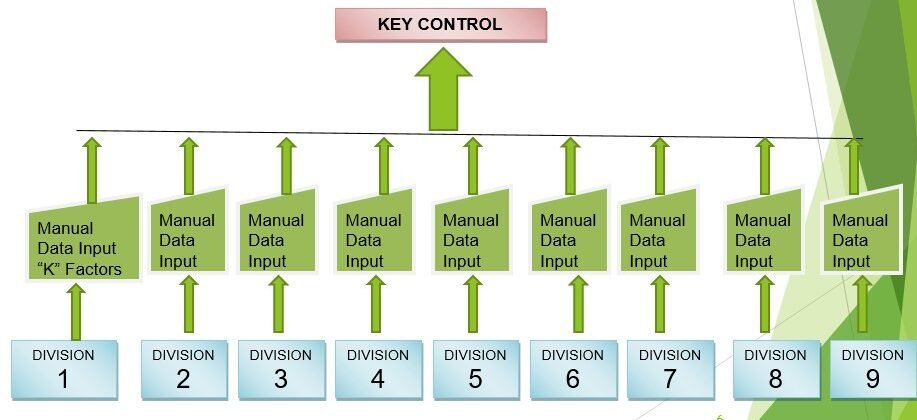
- It can be executed for any single or multiple Divisions sharing common production plants, distribution areas, and billing systems, all utilizing the same tariff format, while operating under a single Water Supply Authority.
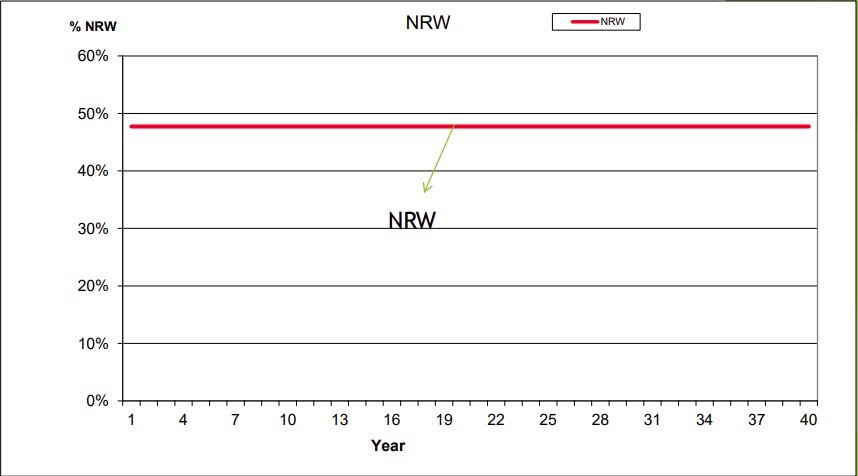
- Trend of NRW
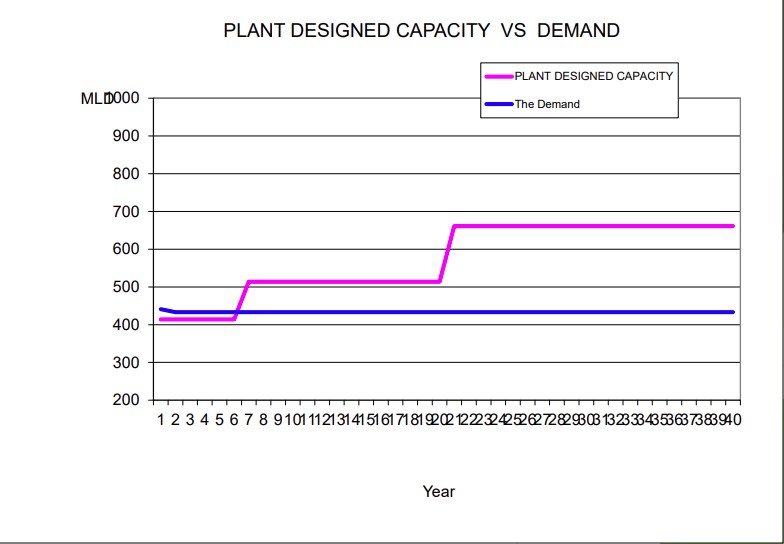
- Trend of Supply and Demand
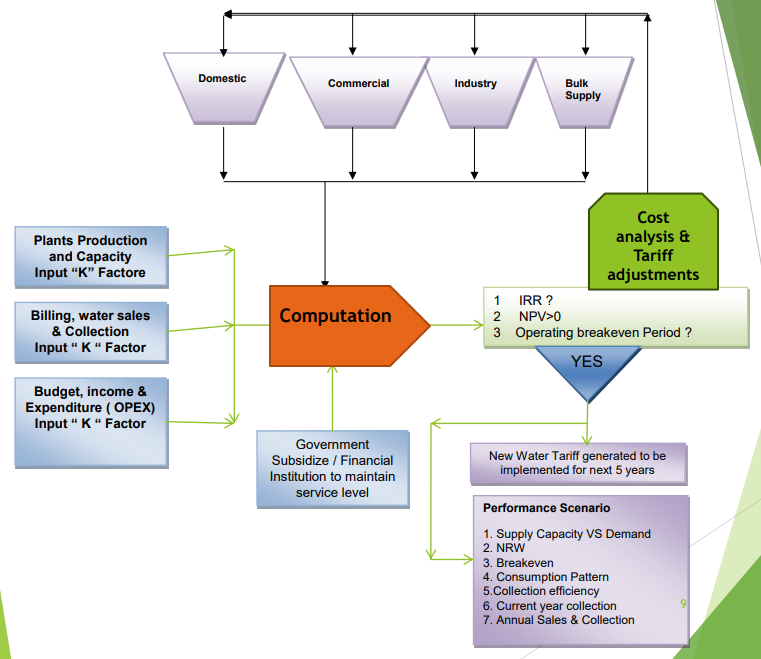
- Long-term financial projection
- Production cost analysis for future Tariff adjustment using the following items 7 & 8
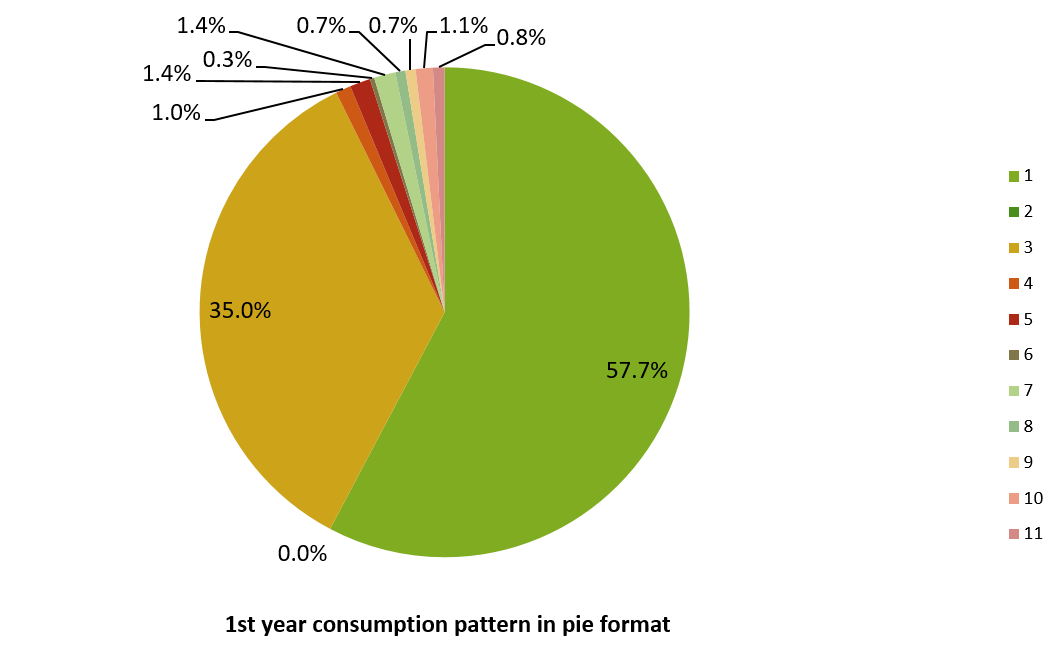
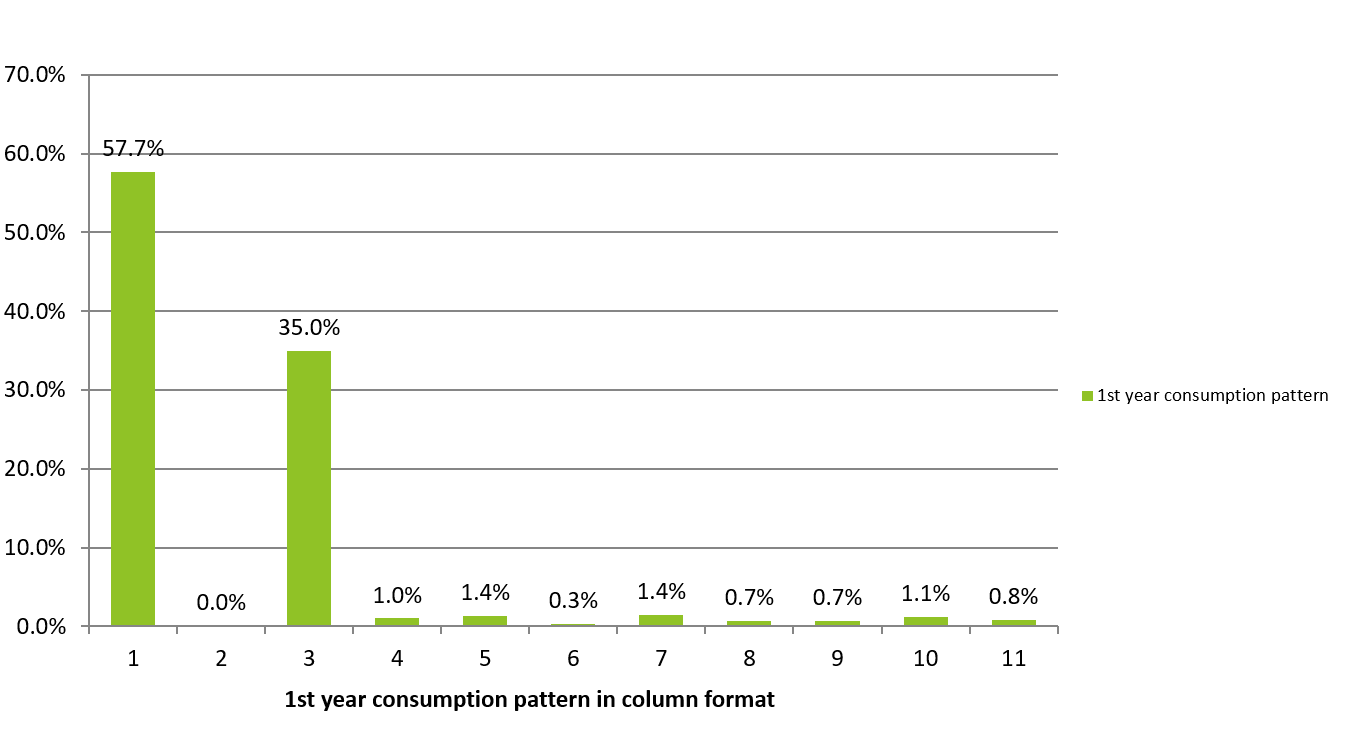
- Consumption pattern of various types of consumers
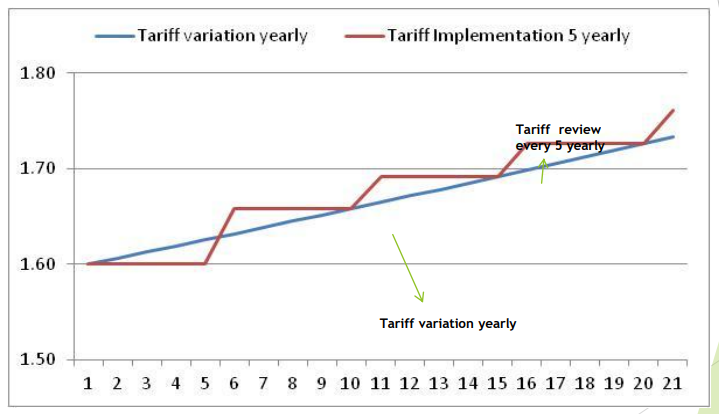
- Progressive water tariff with option for future adjustment.
- It provides continual historical data to support future Tariff adjustments.
- Option to include Meter charge/connection/month ( for meter replacement ) if required.
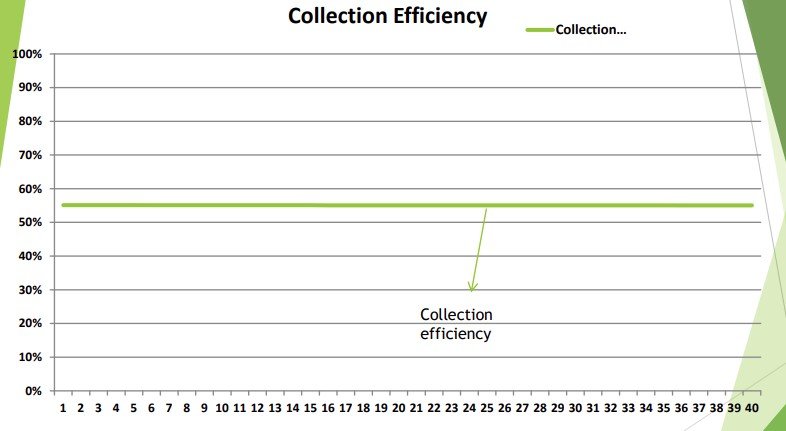
- Trend of Annual Sales, Collection, and Collection Efficiency.
- Budget on Government subsidies to maintain service level
- Simulate “what if” conditions on financial system performance indicators
- A tool to set a goal for monitoring and necessary corrective action
- To ease the Government’s financial burden in the long run through proper planning and development.
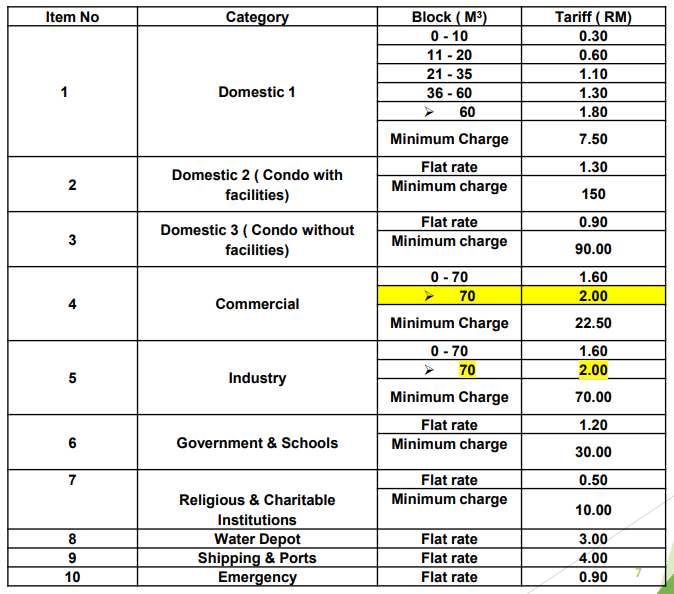
Current Applicable Water Tariff (2015)
GRAPHICAL PRESENTATION OF THE MODEL
GRAPHICAL PRESENTATION OF THE MODEL (Cont)
TIME SCHEDULE OF IMPLEMENTATION
Phase A
Training and presentation of the Model to Division Operators and Accounting Central Departments/computer billing section in HQ/Division.
Phase B
Calibration of the Financial Model over the last years and validation/estimation of the input data on “K factors” for the Division. And the decision on the “cut-off” ( financial year) to run the Model.
3 Phase C
Utilization of the Financial Model with the updated Drinking Water Tariff and the gathered data. Reports will be generated in graphical format to illustrate the financial and physical status of the water supply system.
CONSUMPTION PATTERN
CONSUMPTION PATTERN
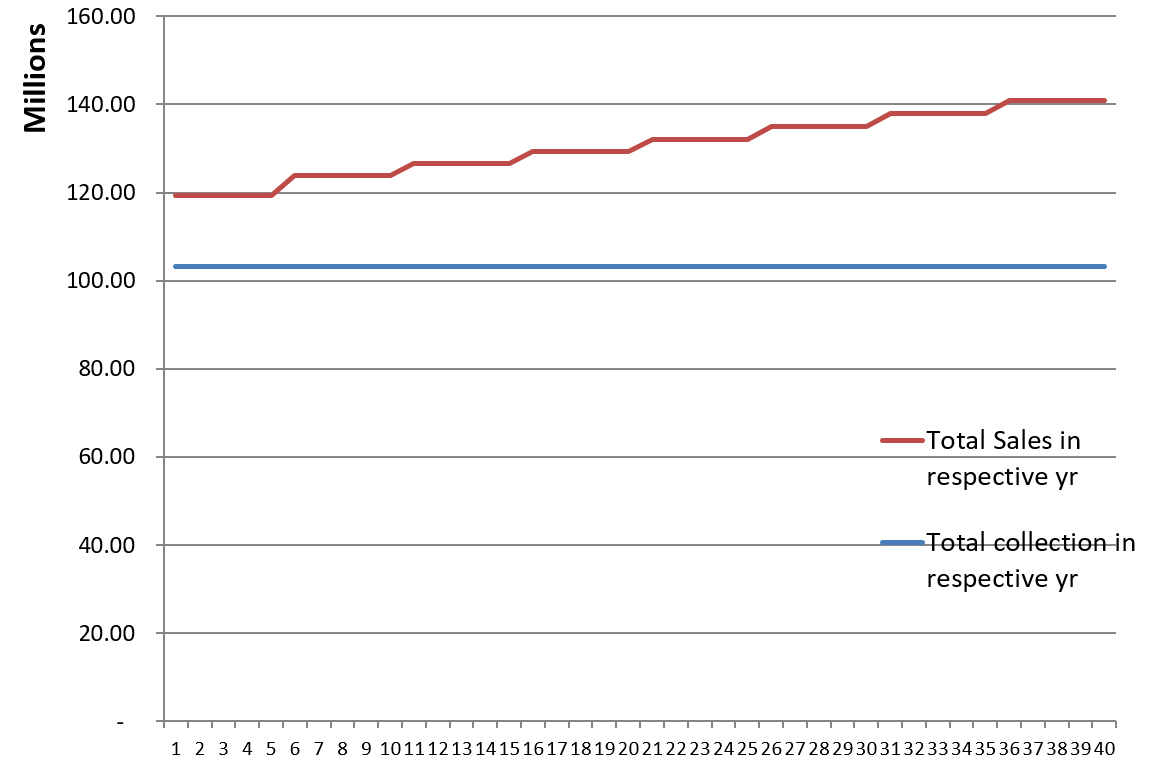
Total Sales and Collections
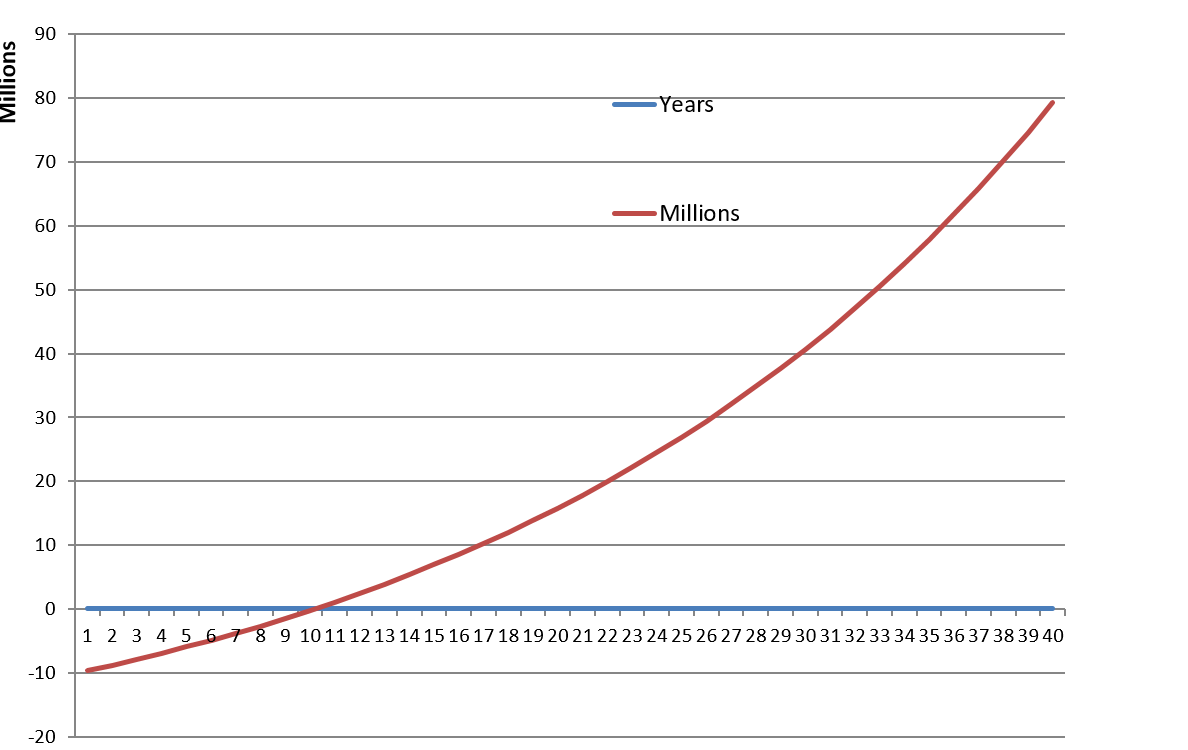
The breakeven even
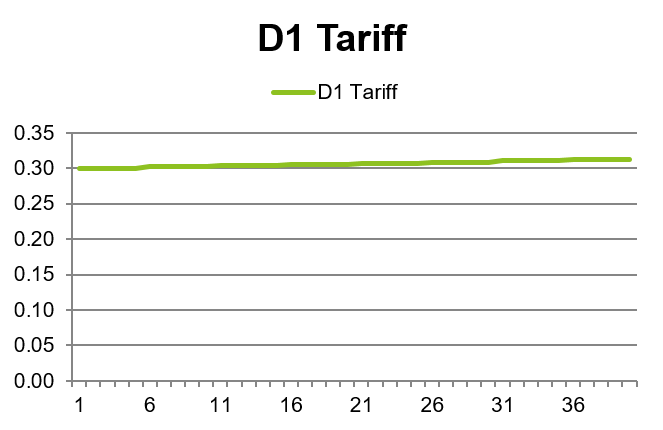
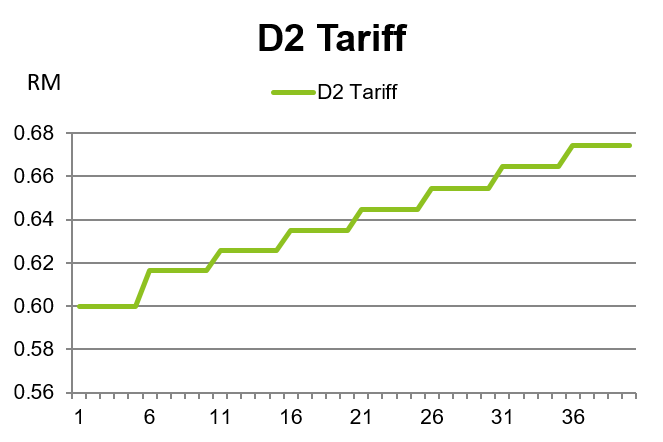
Domestic Tariff Adjustment and Projection
D1 category
D2 category
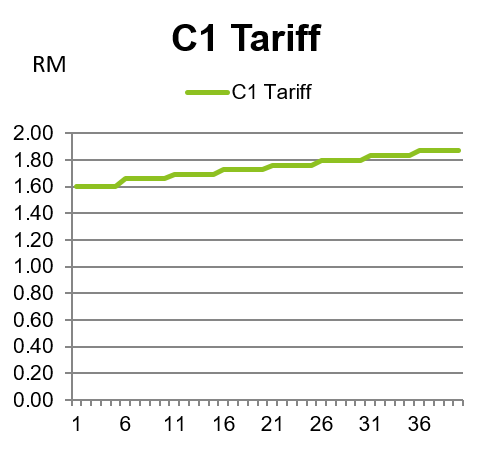
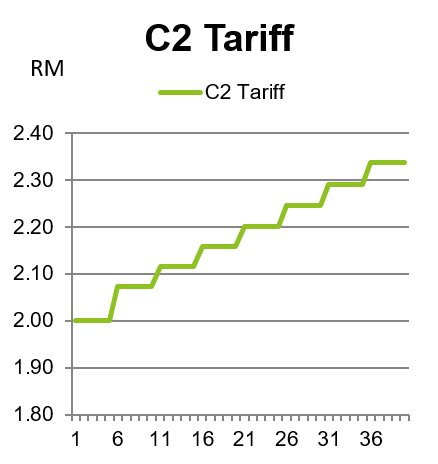
Commercial Tariff Adjustment and Projectiond Projection
C 1 Category
C 2 category
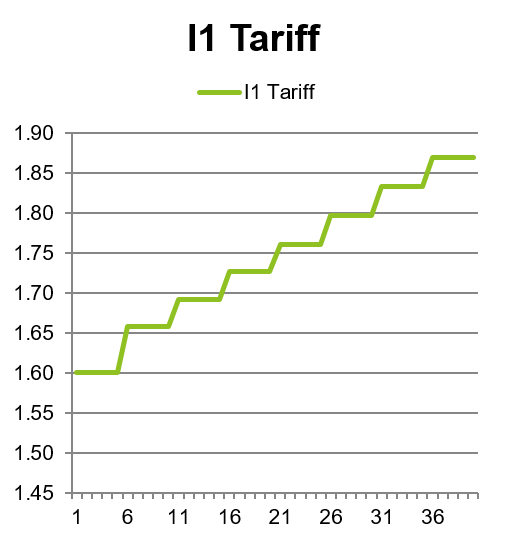
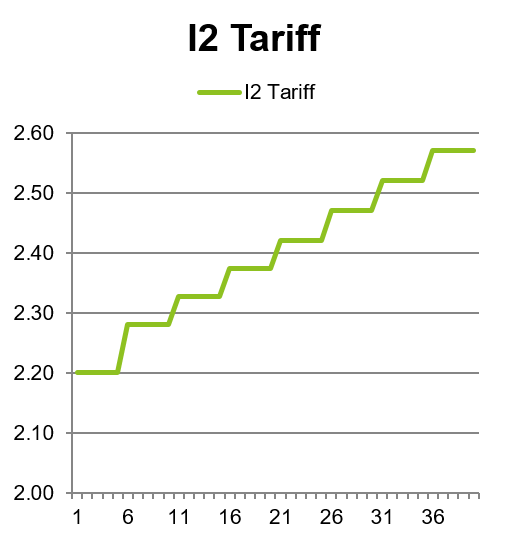
Industry Tariff Adjustment and Projection
I 1 Category
I 2 Category
Bulk Supply Tariff Adjustment & Projection
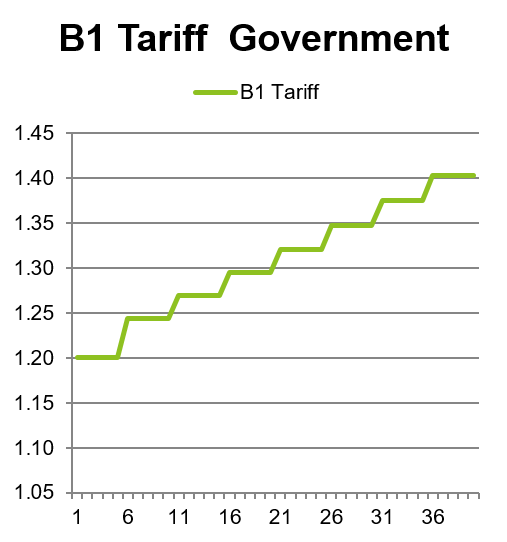
B 1 Category Government
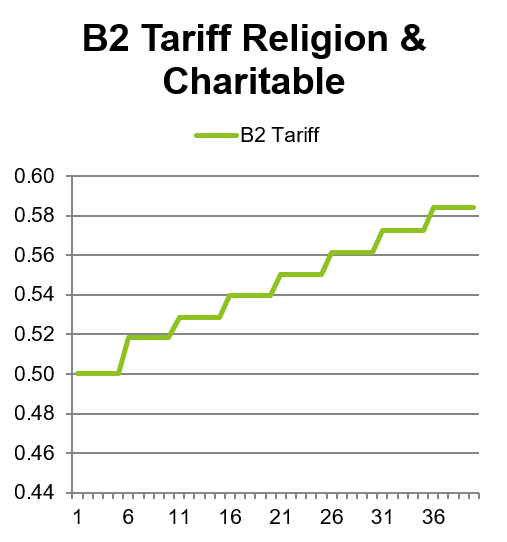
B2 Category Religion & Charitable
Bulk Supply Tariff Adjustment & Projection ustment & Projection
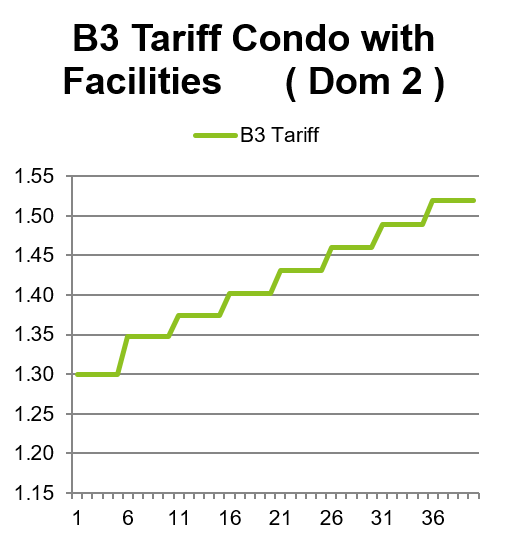
B3 Category
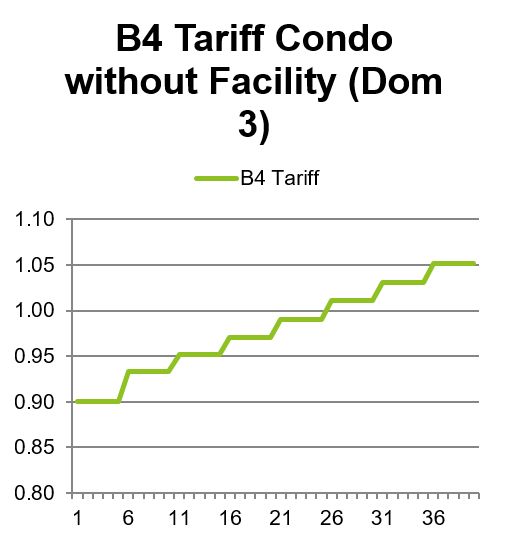
B4 Category
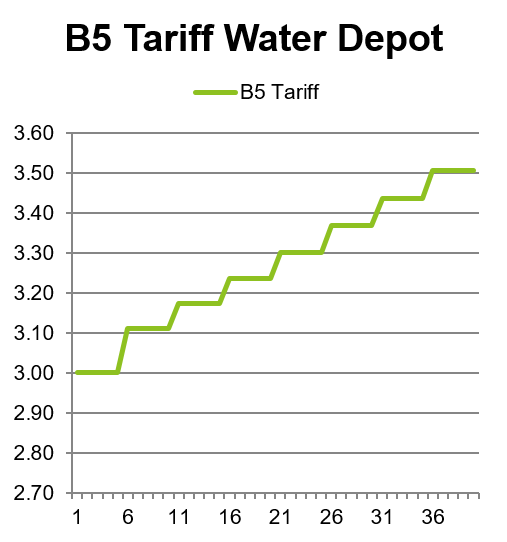
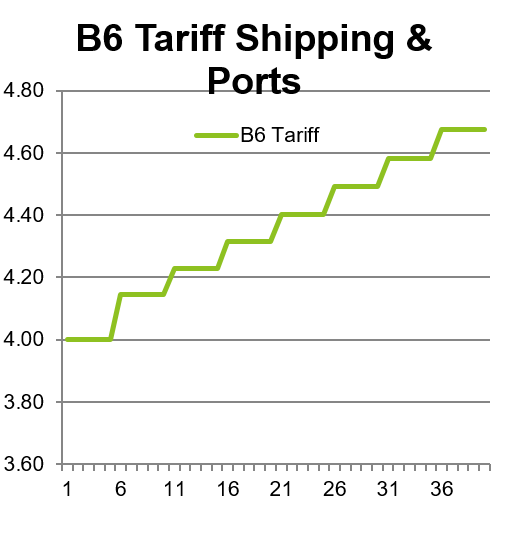
Bulk Supply Tariff Adjustment & Projection
B5 Category
B6 Category
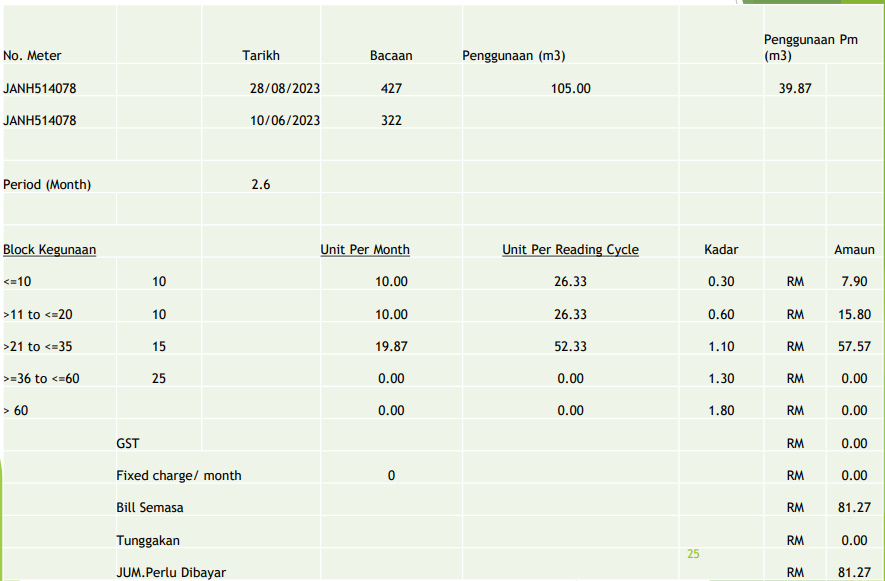
The Billing